Occupational Health Management


Protecting Lives with
Reliable Detection, Calibration & Compliance
In today's dynamic industrial environments, ensuring the health and safety of your workforce isn't just a regulatory necessity—it's a core business responsibility. Lifegear's Medical Management Services deliver comprehensive, scalable health solutions directly to your job site. Whether you're managing a high-risk turnaround, operating in a remote location, or simply prioritizing workforce wellbeing, our medical services help reduce downtime, enhance compliance, and improve overall safety outcomes.
Backed by over two decades of field experience, Lifegear offers unmatched expertise in on-site medical care, health screening, and regulatory health compliance, with a deep understanding of industry-specific risks and challenges.
On-site Medical Services
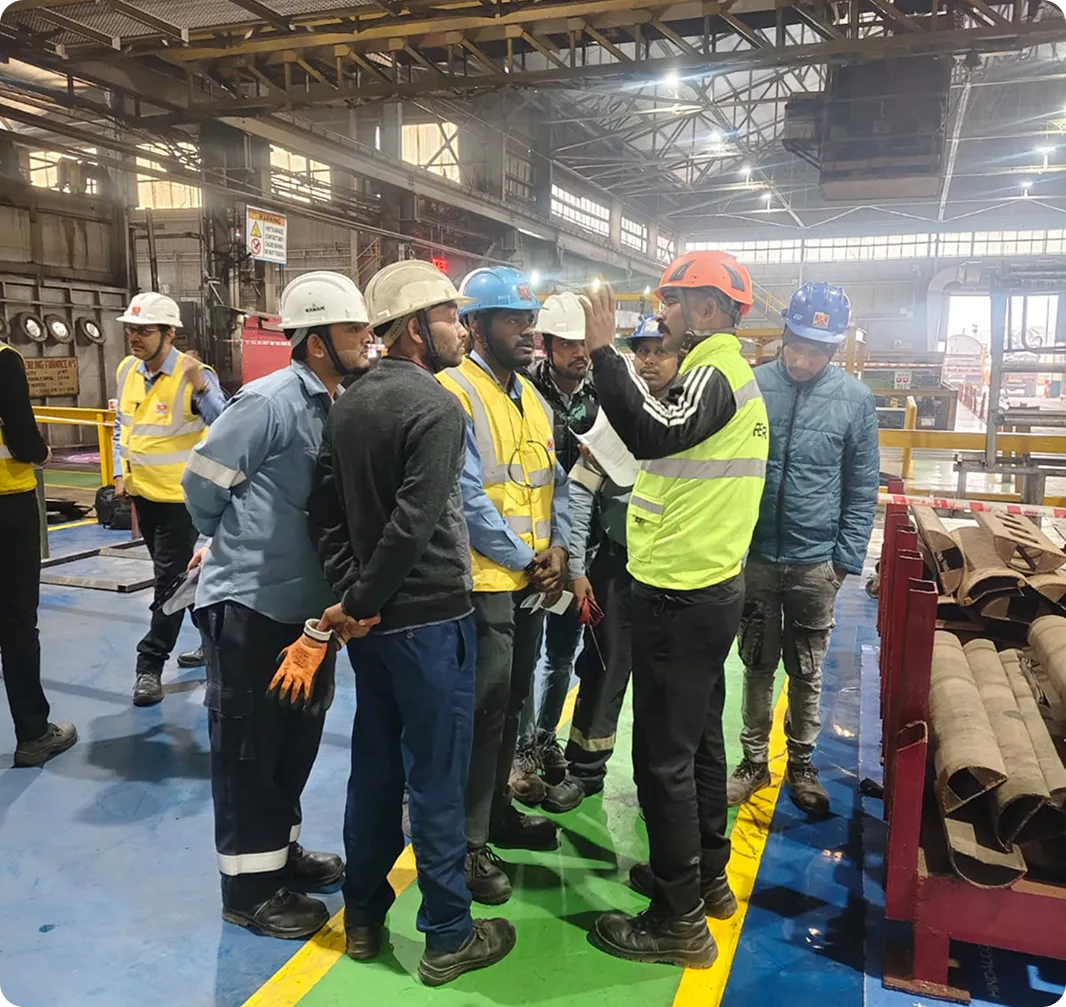
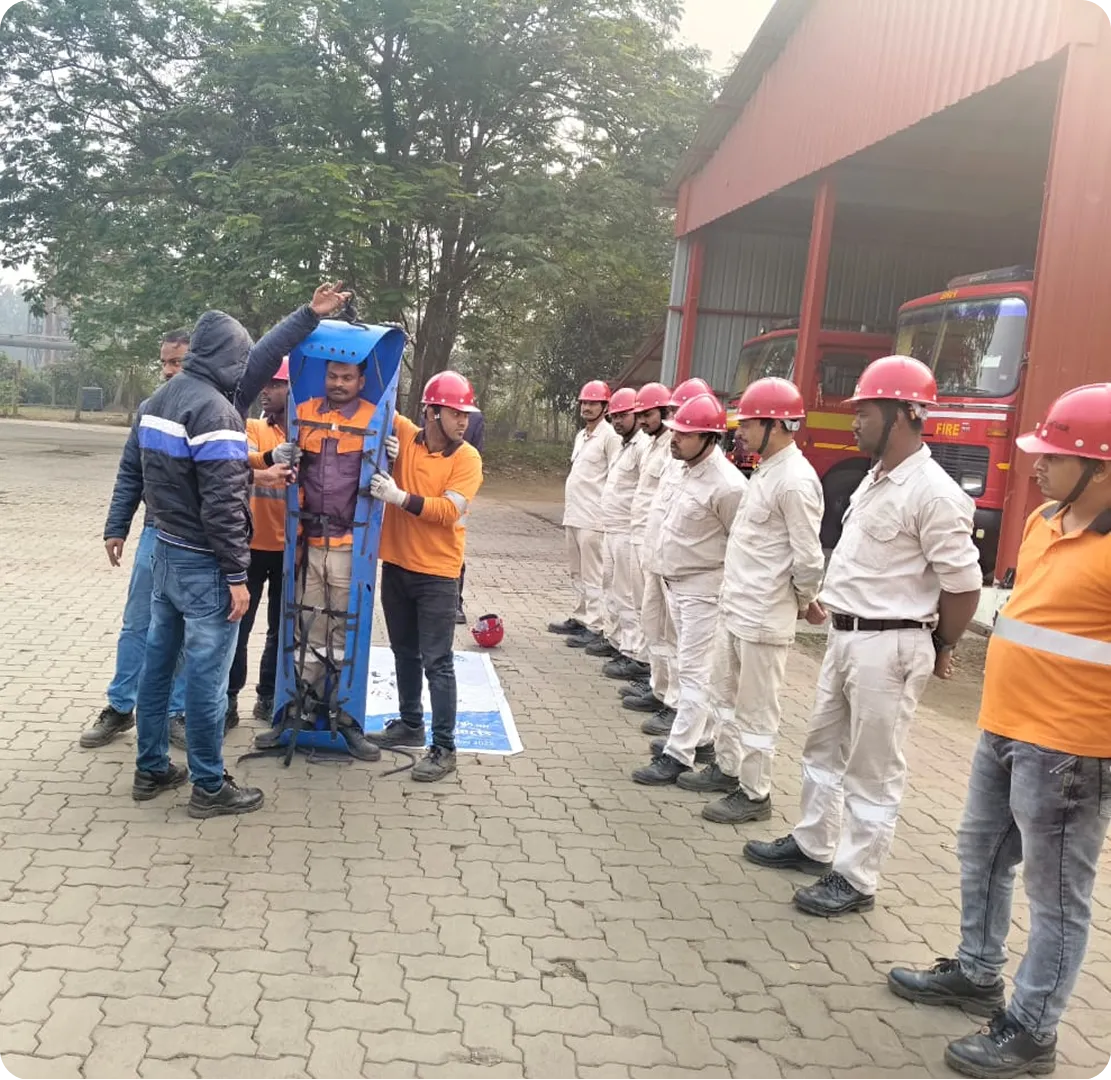
Lifegear embeds licensed EMTs and Paramedics directly into your worksite to provide immediate, life-saving intervention. Specialized in industrial trauma—including confined space and fall-related injuries—our teams provide rapid triage and stabilization at the point of incident. This elite care during the "Golden Hour" prevents medical escalation, minimizes lost workdays, and ensures professional management of high-risk health emergencies.
Beyond crisis response, our medical personnel provide strategic oversight for hot work and confined space entries while maintaining rigorous OSHA-compliant documentation. By integrating with local emergency networks and managing site-specific health risks, we reduce corporate liability and project delays. This proactive medical presence establishes a high-standard safety net that protects your workforce and boosts operational confidence.
- Rapid Clinical Response: Certified EMTs and Paramedics stationed for immediate trauma care
- Proactive Oversight: Dedicated medical monitoring for high-risk industrial activities.
- Reduced Liability: Professional triage minimizes incident escalation and insurance risks.
- Seamless Compliance: Integrated reporting and coordination with local emergency services.
On-site Health Screening Stations
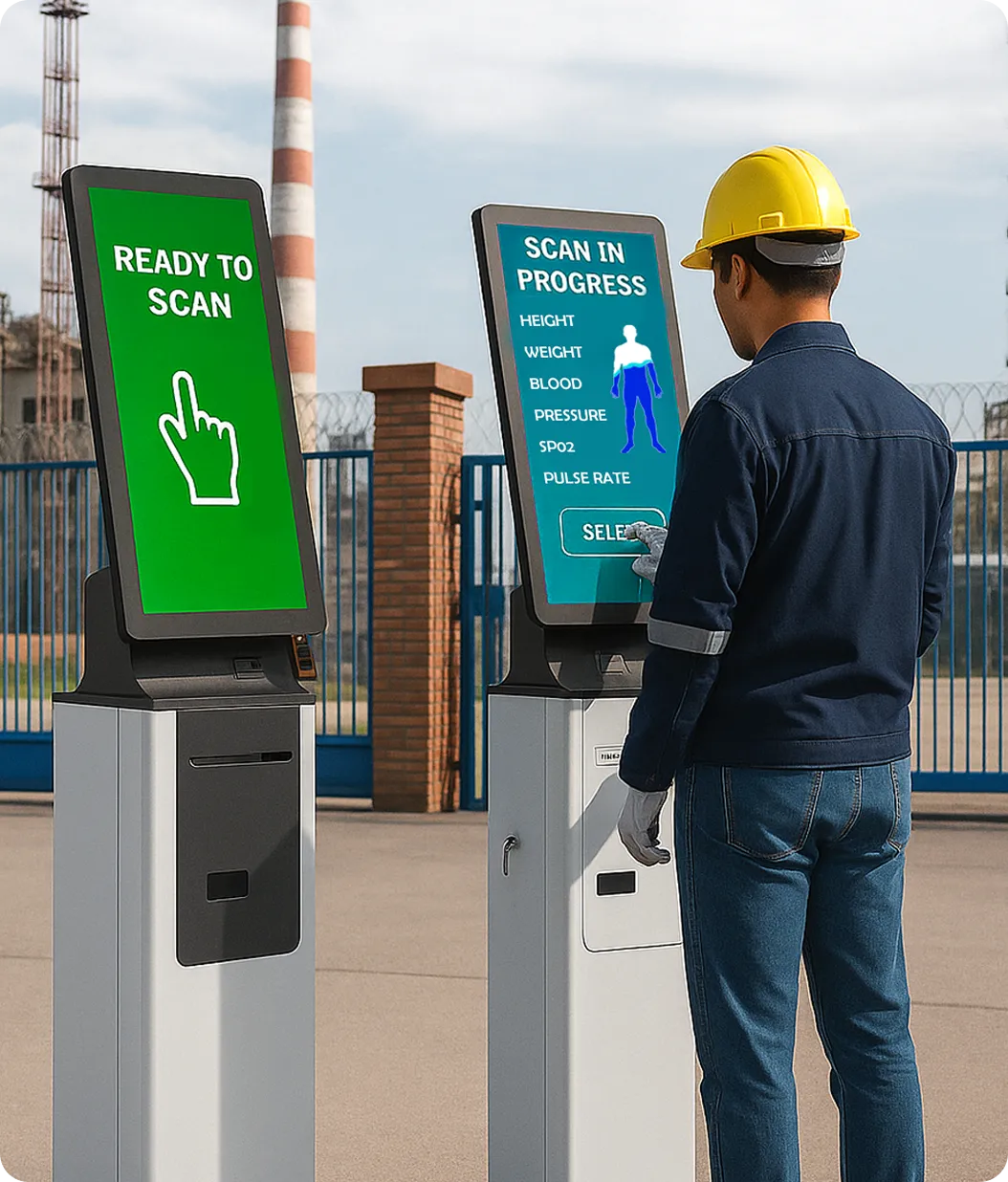
Lifegear's health screening stations are the first line of defense in maintaining a fit-for-duty workforce. These stations perform rapid vital checks—including blood pressure, oxygen saturation, and thermal screening—before personnel enter high-risk zones. By identifying fatigue or medical distress early, we proactively prevent heat-related illnesses and cardiac events, ensuring only medically stable individuals are deployed for demanding tasks.
Integrated into daily workflows, our stations provide a data-driven approach to occupational health. Results are digitally logged for real-time surveillance and trend analysis throughout the project lifecycle. This systematic monitoring fulfills wellness mandates and significantly reduces emergencies, ensuring project continuity through a resilient, medically verified workforce.
- Pre-Task Risk Mitigation: Detect medical distress before workers enter high-hazard areas.
- Automated Vital Tracking: Rapid daily clearance for blood pressure, SpO2, and temperature.
- Medically Verified Workforce: Digital logging for real-time health trend analysis.
- Real-time Surveillance: Ensures 100% medical compliance and reduces onsite health incidents.
Health Compliance Officers (HCOs)
Lifegear's Health Compliance Officers (HCOs) serve as dedicated health governance leaders at your facility or project site. These trained professionals are tasked with upholding the integrity of your health and hygiene protocols—ensuring they are implemented consistently, updated as needed, and understood by all site personnel.
From auditing PPE usage and hygiene station placement to reinforcing distancing protocols and conducting toolbox talks, HCOs provide continuous oversight and coaching. Their presence creates a proactive health culture that helps prevent outbreaks, reduce absenteeism, and uphold your company's reputation as a safety-first operator.
Core Responsibilities:
- Monitor, audit, and enforce health compliance protocols in line with OSHA, CDC, and industry-specific standards
- Supervise on-site screening, decontamination, and medical protocols
- Coordinate with medical teams, site safety leads, and facility managers
- Lead site education efforts, including daily health briefings and compliance reminders
- Provide contact tracing support and post-exposure risk management guidance